Internal Wall Insulation
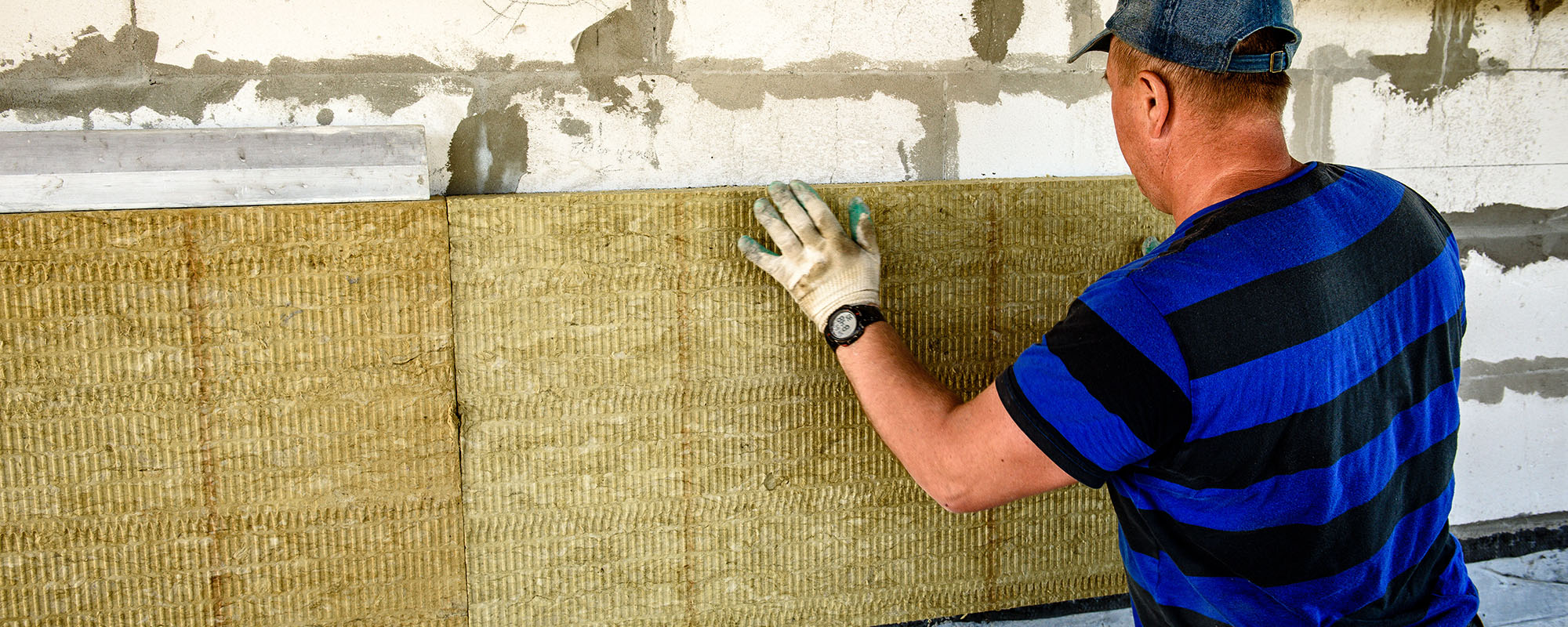
With energy costs soaring and environmental concerns on the rise, internal wall insulation is a smart, cost-effective solution. Enhance energy efficiency, soundproofing, and indoor comfort with our expertly crafted options. Discover our range below.
Explore our range of internal wall insulation
-
 Superglass Adapt Slab 35 is a non-combustible glass mineral wool insulation slab. Designed to provide both thermal and acoustic insulation for various applications.
 -
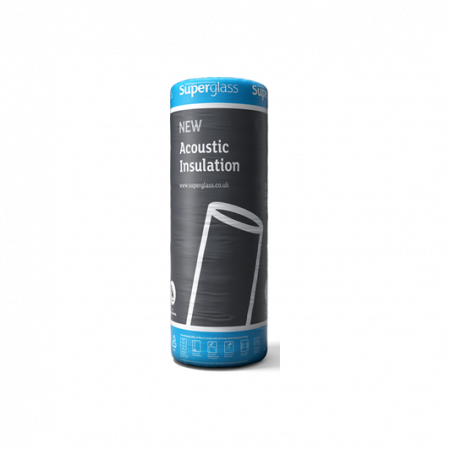 Superglass Party Wall Roll is a non-combustible glass mineral wool insulation roll. Designed to provide thermal and acoustic insulation within masonry party/separating walls.
 -
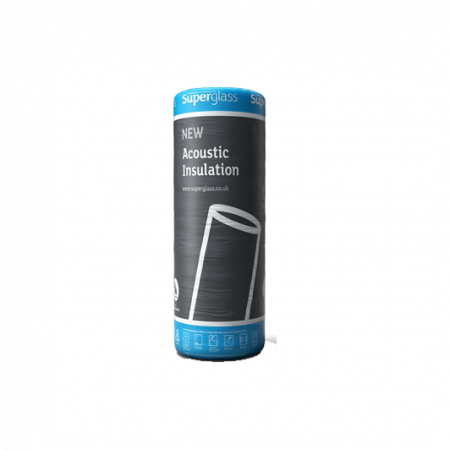 Superglass TF Party Wall Roll is a non-combustible glass mineral wool insulation roll. Designed to provide thermal and acoustic insulation within timber frame party/separating walls.
 -
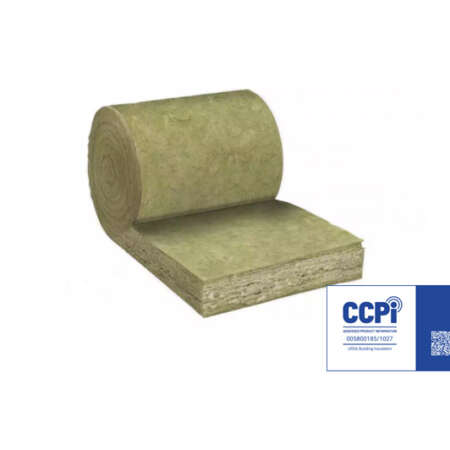 URSA PARTY WALL ROLL is a non-combustible glass mineral wool insulation roll. The flexible roll is cut at 2x455mm widths to fit between standard wall ties, reducing the need for on-site cutting and waste.
 -
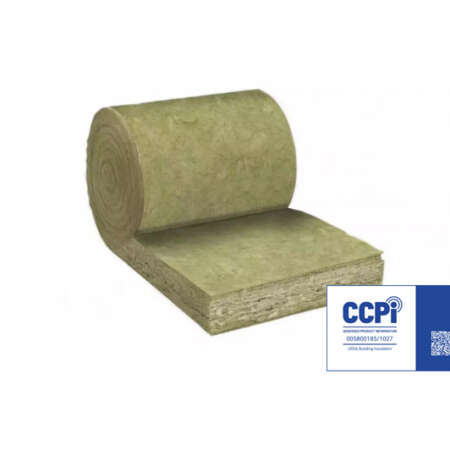 URSA FRAMETEC 32 is a non-combustible glass mineral wool insulation roll. The flexible roll is cut at 2x580mm widths to allow friction fitting between common stud/rafter spacings, minimising gaps at joints and reducing on-site cutting & waste.
 -
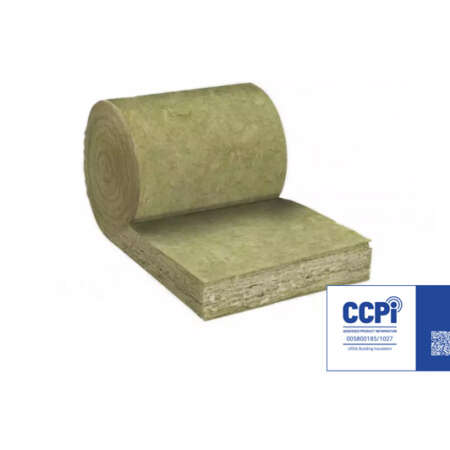 URSA FRAMETEC 35 is a non-combustible glass mineral wool insulation roll. The flexible roll is cut at 2x580mm widths to allow friction fitting between common stud/rafter spacings, minimising gaps at joints and reducing on-site cutting & waste.
 -
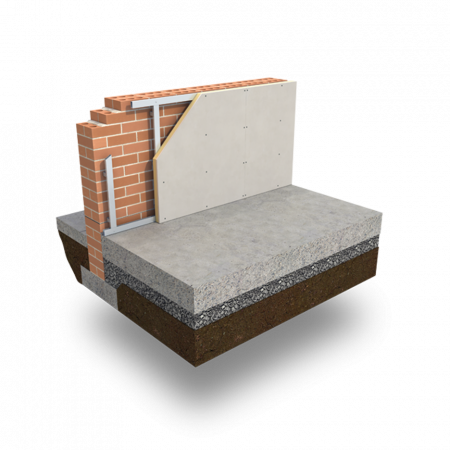 SR/TB-MF is a composite insulated panel of phenolic insulation core with a composite foil facing bonded to 12.5mm tapered edge plasterboard for internal walls, sloped roofs and ceilings.
 -
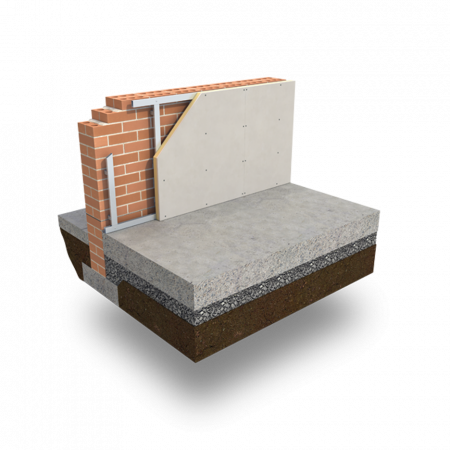 Thin-R Thermal Liner (Mechanically Fixed) is a composite insulated panel of Unilin PIR insulation core with a composite foil facing bonded to 12.5mm tapered edge plasterboard for internal walls, sloped roofs and ceilings. It is only suitable for mechanically fixed applications.
 -
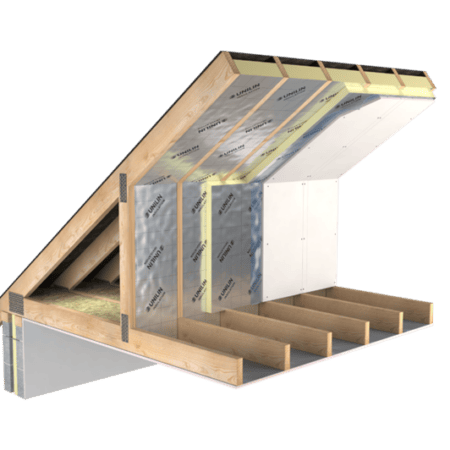 Thin-R Pitched Roof on sloped roofs (ventilated, hybrid or warm) provides the most efficient U-Values with minimal intrusion into valuable living space.
 -
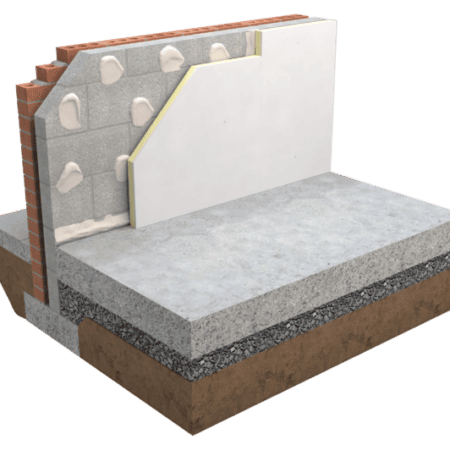 Thin-R Thermal Liner (Dot & Dab) is a composite insulated panel of Unilin PIR insulation core with a composite kraft facing bonded to 12.5mm tapered edge plasterboard for internal applications, fixed with proprietary adhesive bonding.